

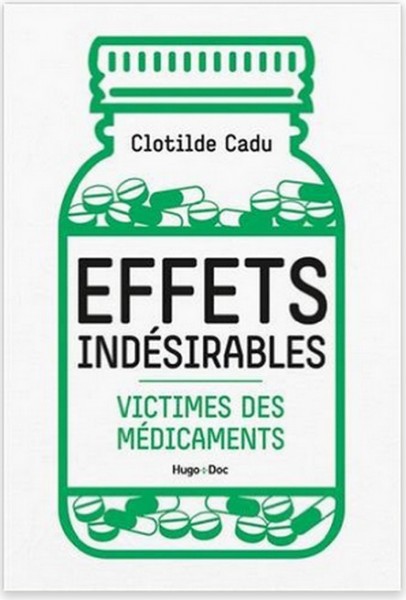
Their voices are never heard. Despite the headlines surrounding health issues and the constant stream of parliamentary reports, victims of adverse drug reactions remain largely unrecognized and unprotected. In recent years, high-profile scandals have briefly shone a spotlight on the victims of Mediator, Distilbene, and third- and fourth-generation birth control pills. But no study has yet accurately identified the victims of these medications.
Their voices are never heard. Despite the headlines surrounding health issues and the constant stream of parliamentary reports, victims of adverse drug reactions remain largely unrecognized and unprotected. In recent years, high-profile scandals have briefly shone a spotlight on the victims of Mediator, Distilbene, and third- and fourth-generation birth control pills. But no study accurately counts the victims of medication; we barely even know they exist. Some estimates: 13,000 to 18,000 deaths, 150,000 hospitalizations annually due to medication-related accidents, and 76,817 adverse drug reactions reported to the French National Agency for Medicines and Health Products Safety (in 2013). Who are these victims of adverse drug reactions? What are their stories, their experiences? How do they fight back? The road to recognition of their suffering is a true uphill battle. For years, they have faced a medical and legal system that struggles to recognize the rights of drug victims. Between the prejudices of some doctors, the power of pharmaceutical companies, and the legal shield provided by the drug's information leaflet, many become discouraged. But despite the obstacles, 15 years of legal proceedings, appeals, and appeals to the Supreme Court, these women and men continue to fight for the recognition of victims' rights. And sometimes, in the end, they achieve victory. An investigation and profiles.