

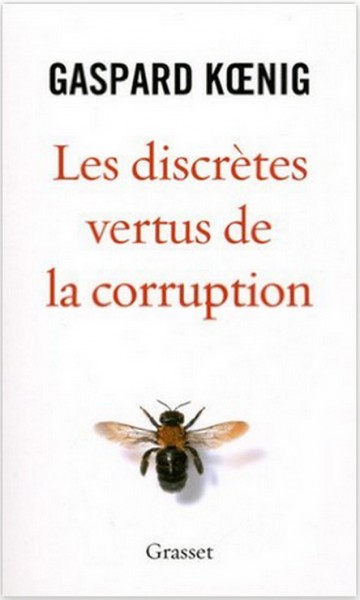
No one escapes corruption. It permeates eras and societies, bringing with it a constant stream of scandals and outrage. Journalists find a new example every day, and history books bear its mark everywhere. As a philosopher, Gaspard Koenig sets out to trace its origins. Exploring fields as diverse as literature, history, film, and contemporary art, he encounters those who practice it.
No one escapes corruption. It permeates eras and societies, bringing with it a constant stream of scandals and outrage. Journalists find a new example every day, and history books bear its mark everywhere. As a philosopher, Gaspard Koenig sets out to trace its origins. Exploring fields as diverse as literature, history, film, and contemporary art, he encounters those who practice it, from Talleyrand to Mobutu; those who criticize it, from Juvenal to Chomsky; and those who glorify it, from Balzac to Francis Ford Coppola. Through this exploration, corruption reveals its virtues. Discreet virtues, which the self-righteous have taught us to ignore, but essential virtues nonetheless. For corruption is not simply a matter of bribery. In the 18th century, the philosopher Bernard Mandeville, in his Fable of the Bees, imagined a beehive that corruption made active and prosperous. Was he right?