

Cracking a password is unfortunately easier than you think. To protect yourself, it's best to know the tools hackers use.
If you are passionate about ethical hacking and want to learn more, then one of these tools will certainly help you achieve your goal.
And if you hate hackers, then it's best to know these tools to protect yourself. Consider making your passwords harder to crack by including, for example, uppercase letters, lowercase letters, numbers, and special characters.
Brute force attack consists of testing, one by one, all possible combinations.
The dictionary attack consists of testing a series of potential passwords, one after the other, hoping that the password used for encryption is contained in the dictionary.
This method relies on the fact that many people use common passwords (for example: a first name, a color or the name of an animal).
1. Cain and Abel
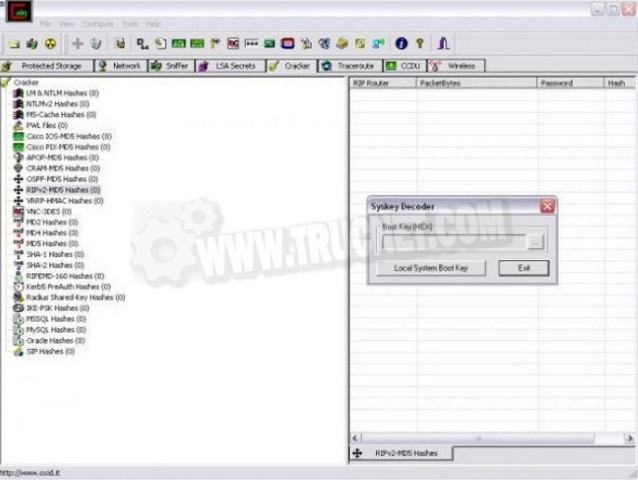
Cain & Abel is a free password cracking tool. It runs on Windows and allows you to crack various types of passwords using dictionary attacks, exhaustive searches, or rainbow table attacks.
2. John the Ripper
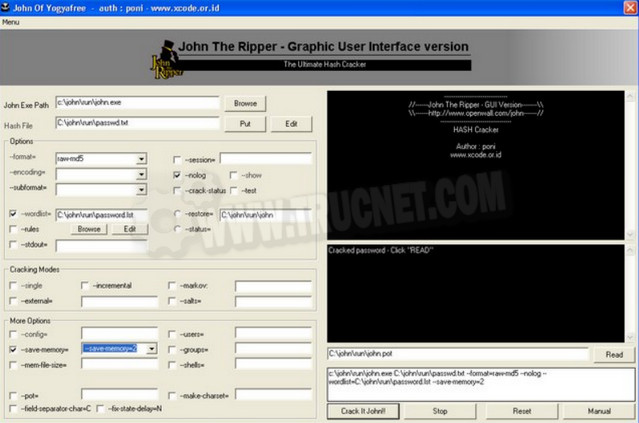
John the Ripper is a free password cracking software available for Linux, Unix and Mac OS X. It is capable of breaking various password encryption formats, including crypt passwords (Unix), MD5, Blowfish, Kerberos, AFS, and LM hashes.
3. RainbowCrack
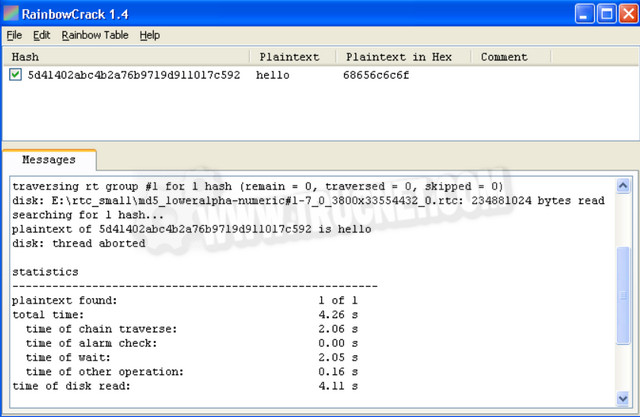
RainbowCrack runs on Windows and Linux. It uses the rainbow tabs which is based on the time-memory compromise technique. This technique differs from brute-force attacks and significantly reduces the time required to crack a password.
4. Brutus
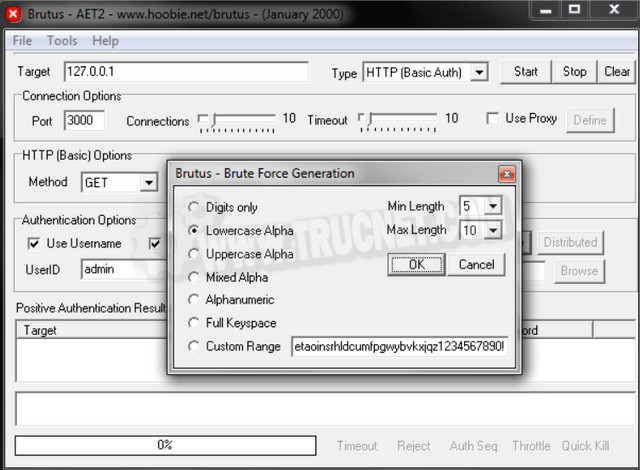
This is probably the easiest tool to use. It runs on Windows and is fast and flexible. It hasn't been updated in months but can still be useful. The archive password is darknet123.
5. Aircrack-ng
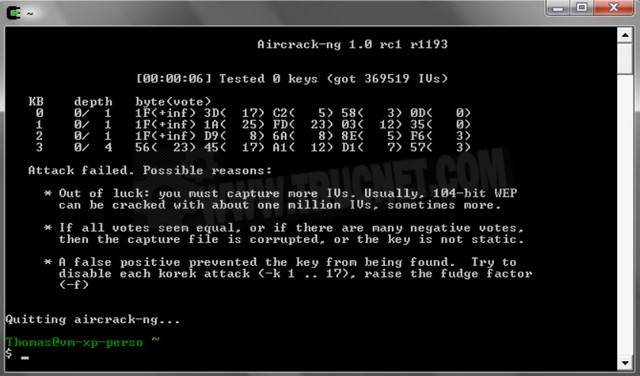
Aircrack-ng is a suite of wireless network monitoring software whose primary use is to crack WEP and WPA keys on Wi-Fi networks. This software runs on Windows and Linux, but some essential features are unavailable on Windows (such as packet injection).
This article was updated on February 16, 2016